How can we help you?
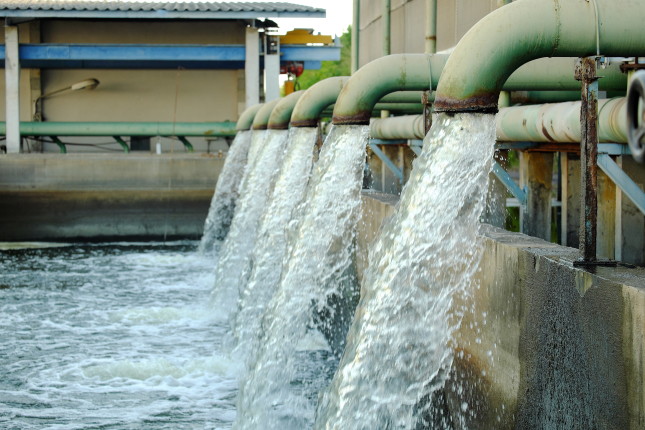
Waste Water Treatment Plant
Waste Water Treatment Plant:
- Effluent Treatment Plant
- Sewage Treatment Plant
1. EFFLUENT TREATMENT PLANT: Detailed design of industrial effluent treatment plants is a matter best left to specialists. Most industries produce some wastewater as an undesirable by-product. Recent trends have been to minimize such production or to industrial wastewater recycling within the production.
The different types of contamination of wastewater require a variety of strategies to remove the contamination. BPTL’s has proven expertise in the removal of solids, oil and grease, biodegradable organics, toxic materials, acids and alkalies for almost all industries. Our products include filtration, clarification systems, biological treatment (anaerobic and aerobic), dewatering, disinfection, ion exchange, carbon filtration, water reuse, reverse osmosis and other technologies for removing impurities from water. We also provide customers with engineering and technical process expertise to help respond to evolving industrial wastewater treatment standards.
Our industrial effluent treatment solutions help you
- Comply with regulatory requirements – align your facility to meet strict pre-treatment and direct discharge treatment goals
- Reduce or eliminate wastewater surcharges – associated with discharging untreated wastewater to a local municipal treatment plant
- Reuse water – treated industrial wastewater is reused for sanitary or landscaping applications or released to a sanitary sewer
- Reclaim high-quality effluent – reducing plant operating costs
- Become environmentally compliant – minimize your environmental footprint
2. SEWAGE TREATMENT PLANT:
There are many type of treatment process- MBBR, SBR, ASP, MBR & Etc Technology.
Moving Bed Bioreactor (MBBR)
BPTL offers MBBR based industrial effluent treatment plant for industries that enable them to meet discharge norms as per statutory requirements. BPTL’s hands-on experience in designing MBBR based ETP and recycling systems, and expertise over several installation in handling pre and post treatment for ZLD requirement make us an ideal partner.
In contrast to the MBR membrane bio reactor a mixed bed bio reactor (MBBR) uses bacteria for the breakdown of impurities. The MBBR significantly increases the capacity and efficiency of existing wastewater treatment plants, while minimizing the size of new plant deployments. The MBBR makes it possible to attain good efficiency results of disposal with low energy consumption. MBBRs are used for the removal of organic substances, nitrification and denitrification.
We also offer sewage treatment plants with MBBR technology designed for residential and commercial complexes as ‘standard-packages’. Package STPs with MBBR are available from 1 KLD to 1000 KLD capacity with MSEP or RCC construction.
Benefits of MBBR:
- Compact with strong ability to accept /load variations/shock loads
- Robust biofilm process – recovers quickly from acute toxicity and pHshocks
- Offers excellent BOD/COD and pathogen reduction
- No clogging of reactors and no sludge return
- Low loading at the sludge separation stage
- Digested sludge generation – no sludge digester required
- Flexibility of reactor shape – existing tanks or basins may be used.
- Activated sludge plants may easily be converted MBBR tanks resulting in considerably increased biological capacity
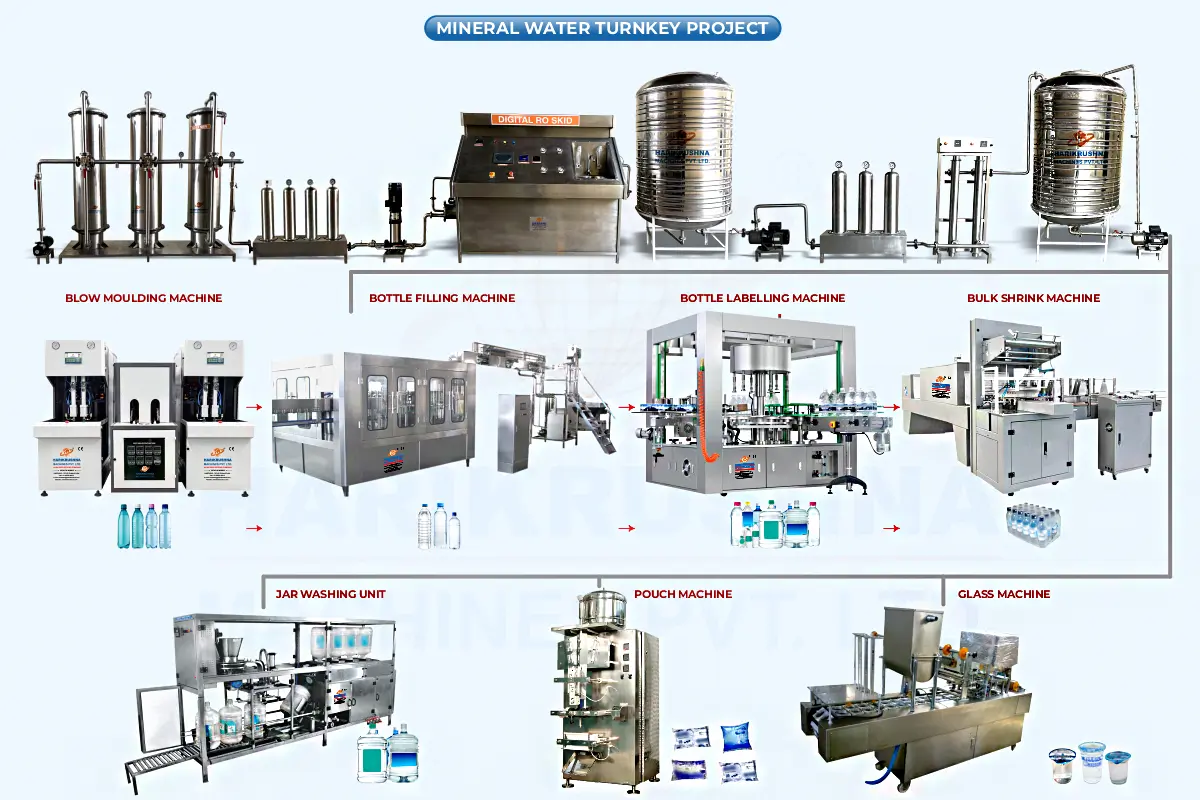
Water Treatment Plant & Drinking Plant
Water Treatment Plant:
Feed water, depending on its source, may contain various concentrations of suspended solids and dissolved matter. Water Pre-Treatment is important for the removal of suspended impurities, solids, colloids and living organisms from raw water or wastewater. Water Pre-Treatment ensures water quality is not influenced by seasonal changes, extreme weather or industrial pollution. Read More
Clari flocculators
BPTL designs clarifiers of all capacities to treat a broad spectrum of raw water sources for removal of suspended solids, turbidity, colloidal particles and heavy metals. Isolating particle components reduces their volume Read More
High-Rate Solids Contact Clarifiers
BPTL offers high-rate solids contact clarifiers – HRSCC for complex water clarification in small spaces. HRSCCs use gravity settling and are used widely for large capacity industrial process water clarification applications. Read More
Tube Settlers
BPTL offers compact clarification with advance gravity settling tube settlers in varied capacities.The tube settlers we provide occupy less space compared to conventional clarifiers. Tube settlers use multiple tubular channels that are inclined and adjacent Read More
Filters – Multi Grade, Dual Media and Pressure Sand Filter
BPTL provides Multi Grade Filters – MGF, of varied capacities. An MGF is used in water and wastewater treatment to remove suspended solids, dust and dirt present in the water.The MGF is a depth filter that makes use of coarse and fine media to create pore dimensions Read More
Activated Carbon Filters
BPTL offers a wide range of activated carbon filters – ACF, for varied applications to meet specific process requirements. The activated carbon filter (ACF) works on the principle of adsorption. The medium adsorbs or reacts with pollutant molecules as the water is Read More
Boiler Feed Water
Industrial companies that use boilers, require some type of boiler feed water treatment system to ensure an efficient process and the quality of steam generated. The most appropriate boiler feed water treatment system will help the facility avoid costly plant downtime, expensive maintenance fees, and boiler failure as a result of scaling, corrosion, and fouling of the boiler and downstream equipment.
Physico-chemical Pre-Treatment
BPTL provides companies that require industrial process water for production, a wide range of treatment solutions that manage raw water sources of different characteristics – river, lakes, sea, ground or wastewater. Prior to treatment, water is typically associated Read More
Ultra filtration for SDI, Colloidal Silica and Particulate Reduction
BPTL provides ultra-filtration (UF) and micro-filtration (MF) membranes for the removal of colloidal silica which poses a problem for the smooth operation of steam turbines in power plants. These membranes have low porosity,require reduced cleaning frequency Read More
TDS Removal Through Ion Exchange (De-mineralization)
BPTL has over 2 de-mineralization plant installations in various combinations based on ion exchange technology. Ion exchange is one of the oldest and best-established technologies for the removal of dissolved solids and primarily salts in water. Read More
TDS Removal Through Reverse Osmosis
As steam is produced, dissolved solids increase in concentration and form deposits inside the boiler. This leads to poor heat transfer and reduces the efficiency of the boiler. In order to protect the boiler from these contaminants, they should be controlled or removed Read More
Total Silica Reduction for High Pressure Boiler Feed Application
BPTL’s vast experience in designing robust boiler feed water generation systems helps power plants in the reduction of silica scale in the turbine. Increased availability improves reliability and reduces operation expenditure. Read More
Condensate Polishing Systems for Process and Turbine Condensates
BPTL designs and manufactures condensate polishing units (CPU) that are employed to prevent return steam condensate contaminants and corrosion products from entering into the turbine / boiler. The improved quality of condensate duly polished reduces Read More
Drinking Water Treatment Plant
BPTL supplies state of the art drinking water treatment plants that follow the highest industrial norms to ensure the quality output to set standards. Surface water though freely available in most regions, is highly polluted and needs treatment before the water is usable. Typical contaminants include suspended solids, bacteria, algae, organic matter, bad taste and odour. Sometime surface water is contaminated with high total dissolved solids (TDS). Read More
Water Treatment for Hardness Removal
Ion Exchange Softeners
BPTL custom builds ion exchange softeners for several industry groups. This includes food and beverage manufacturers, automobile manufacturer paint and washing units, hotels and restaurants, air conditioning plants, textile manufacturers, commercial laundry Read More
Desalination
Sea Water Reverse Osmosis With Energy Recovery
BPTL supports municipalities and industries in the implementation of their seawater desalination strategies. We design plants that leverage thermal water desalination and reverse osmosis desalination technologies. Saline content is separated by evaporating Read More
High Purity Water System for Pharma Industry
BPTL builds high purity water treatment plants for pure water generation and injection in the pharma industry. We have a keen understanding of the industries needs and proven technical expertise that makes it possible for us to design plants, manufacture Read More
Cooling Tower Make-Up
BPTL provides sustainable and complete solutions for cooling tower make-up water treatment considering a wide range of technologies and strategies. BPTL develops solutions to deliver more stable water quality, lower fouling and corrosion, reduction of chemicals used and process optimization.Technologies we leverage for make-up water treatment Read More
Condensate Polishing Units
BPTL designs, integrates and manufactures condensate polishing units (CPU) that work on the principle of ion exchange technology for the removal of trace dissolved minerals and suspended matter. These units are installed at several industries with boilers, steam generators, reactors and turbines to remove impurities (predominantly silica oxides and sodium) Read More
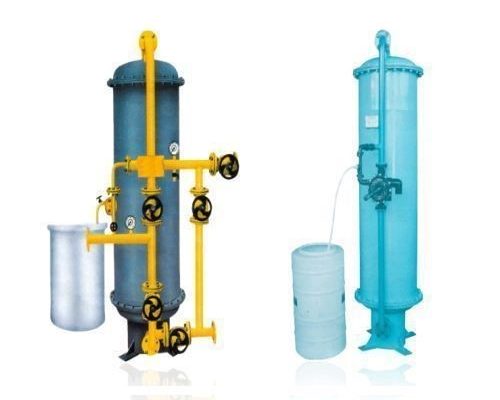
Industrial Softening Plant
HIGH EFFICIENCY WATER SOFTENERS, REMOVES RUSTING & SCALING
Industrial water softener is a kind of water filter, which removes hardness from water causes due to presence of Calcium and Magnesium. For industries and commercial units, hard water poses a potential threat. … Water Softener is considered as concrete solution for this problem, which prevents scale forming.
Hardness
Calcium and Magnesium salts impart hardness to water. Hard water is defined as a water which does not lather or foam with soap easily. The salts of calcium and magnesium which causes hardness is divided in two parts.
- Temporary hardness or carbonate hardness.
- Permanent hardness or non-carbonate hardness.
Potential benefits of softening water at a central treatment plant include the following:
- Reducing dissolved minerals and scale forming tendencies,
- Reducing consumption of household cleaning agents
The sum of temporary and permanent hardness is called Total Hardness. Total Hardness = Carbonate hardness + Non-Carbonate hardness
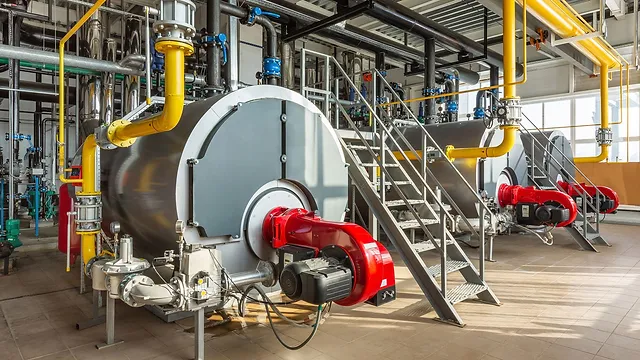
Heating Division
BOILER
A boiler can be described as a closed container where a fluid is heated, and this basic design has applications like building heating, process heating, and power generation. Boilers were also used to power steam locomotives before electric and diesel trains were developed.
The key elements of a boiler system include the feedwater system, burner, combustion chamber, heat exchanger, exhaust stack, and controls. Boiler accessories including the flue gas economizer are also commonly used as an effective method to recover heat from a boiler.
Boiler Capacity: 0.25 to 25 TPH.
Pressure: 10.54/17.5/21 Kg/cm2

Annual Maintenance Contact (AMC)
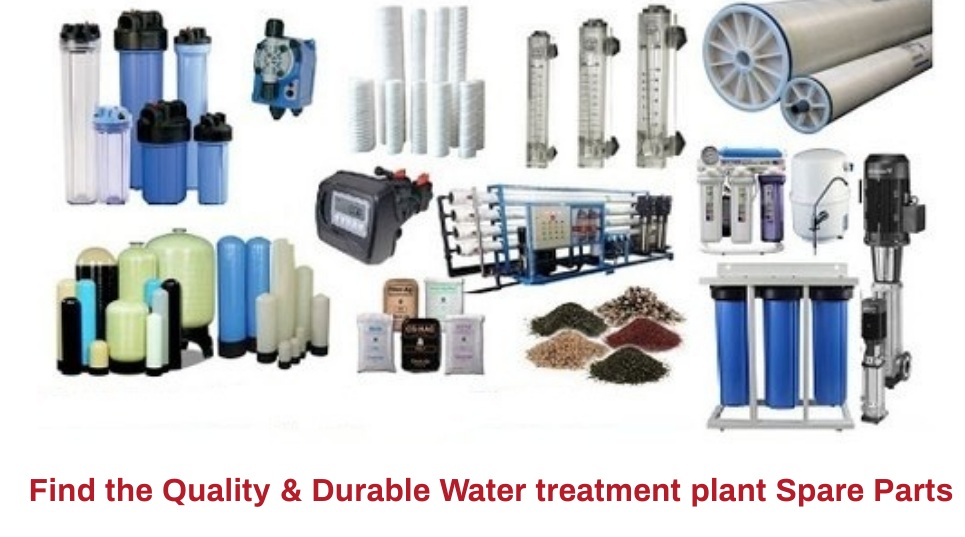
Chemical & Accessories
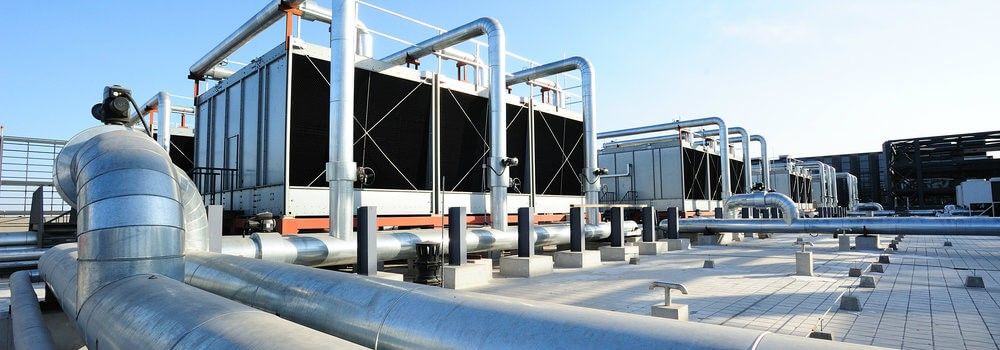
Cooling Division
CHILLER
Chillers transfer heat away from a space that requires climate control much like a traditional split system or package unit does, but they use water (or a water solution) to do so instead of air. There are two types of chillers: water-cooled and air-cooled.
Annual Maintenance Contact (AMC)
Chemical & Accessories